Kiln Dried Silver Birch: My Review
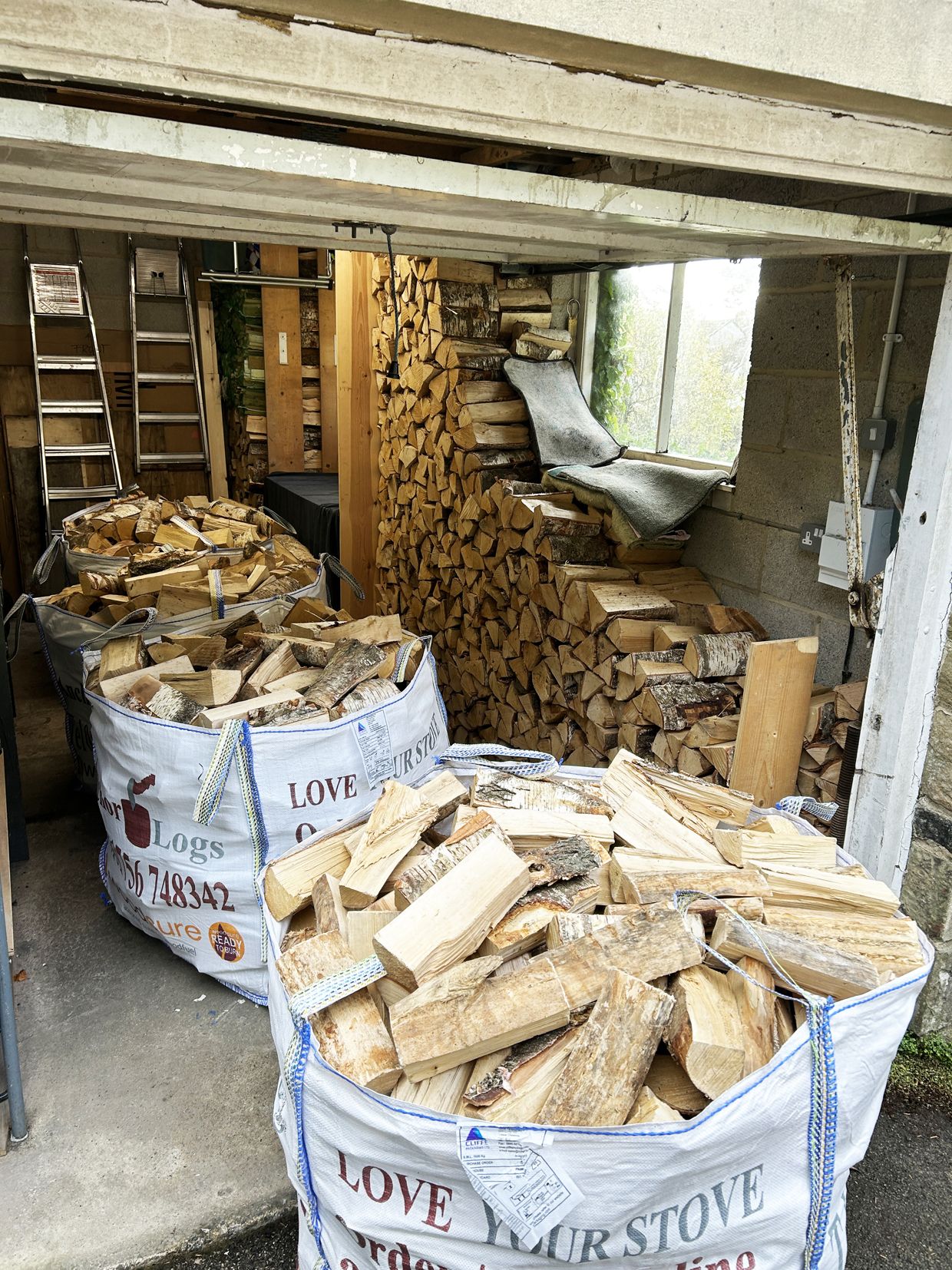
After we got our first woodburner seven years ago, everyone told us Anchor logs were best. We bought Anchor for two or three years. Then I decided to find cheaper logs, and tried three different suppliers.
I kept some Anchor birch logs in stock, and ran comparative trials.
DRYNESS
The main factor in ‘burnability’ is dryness. None of the cheaper logs were as dry as Anchor. Some were so wet I had to add Anchor logs to the firebox to get them to burn. Wetness adds to cost: (a) you have to burn more logs to get the same heat, (b) you need to keep air controls fully open to burn wet logs and thus a lot of heat goes straight up the flue, (c) wet logs produce more soot – extra costs later for chimney cleaning (and more smoke, which can annoy neighbours). As for producing heat, we sometimes had to put the central heating on!
SPECIFICATION
Anchor Logs are what they say they are. From other suppliers I got deliveries of ‘hardwood’ which contained softwood. Even if this burns well (mostly, it didn’t) you’ll be fiddling about adjusting the air controls, since hard and soft burn at different rates.
SHAPE AND SIZE
The Anchor birch I had was (a) mostly cut to a standard length and (b) mostly straight pieces. From other suppliers, amongst their logs I got twigs, branches, fence posts, bits of pallet, lumps of mud, etc. Does that matter if it all burns? Actually, yes – because stuff like this creates more voids in a bag. In other words – a bag of Anchor contains more actual wood than a bag of brand X.
CONSISTENCY
Anchor logs are more or less the same whenever you buy them. I didn’t find that with other suppliers – a not-so-bad delivery might be followed a couple of months later by something worse. (As well, on one occasion – non-standard size bags, but at the standard-bag price).