
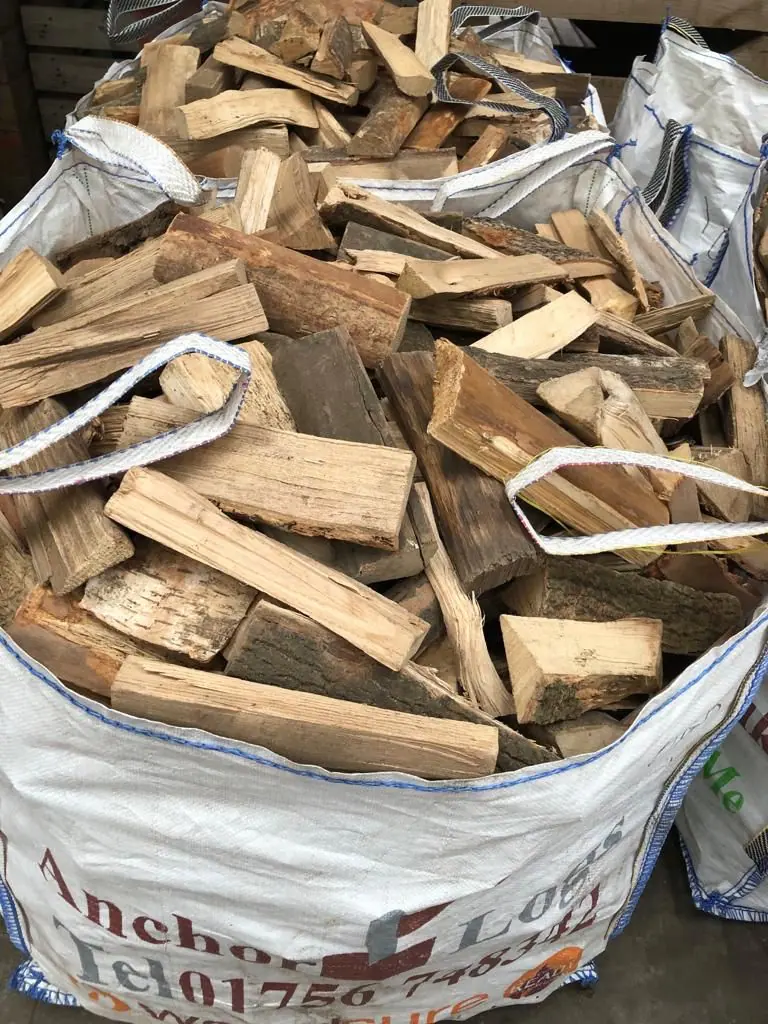
Use dry hardwood and match the fire to the food. Fast, hot jobs like pizza, flatbreads and searing want small logs that flame quickly, such as birch or ash. Grilling wants a bed of glowing embers from ash or mixed hardwood. Long, slow cooks want dense oak that keeps the embers coming. Whatever you cook, the wood should be properly dry so it burns cleanly instead of smouldering.
Start with dry wood.
Logs that aren't dry smoulder and make lots of tar and smoke (Forest Research), and that's the last thing you want drifting over your food. Wood certified Ready to Burn has a moisture content of 20% or less (GOV.UK). All our logs are kiln dried to that standard at our yard in Gargrave, so they light quickly and get hot without a long, smoky sulk.
Which logs for which food.
| Wood | How it burns | Good for |
|---|---|---|
| Silver birch | Lights easily and burns bright; the bark helps it catch | Getting the fire going, pizza ovens, flatbreads, skewers and quick, hot cooks |
| Ash | Hot, clean and steady | Grilling steak, fish and vegetables, and keeping a pizza oven going |
| Oak | Dense and slow burning | Long cooks: joints, asado, Dutch ovens and anything low and slow |
| Mixed hardwoods | Two or more hardwoods per bag, depending on what we're processing at the time | An easy all-rounder for barbecues and fire pit cooking |
| Extra small logs | Mixed hardwood cut extra small | Pizza ovens and cooking over a fire pit |
What about flavour? We think most of what people love about wood-fired food comes from cooking over a clean, hot fire, with fat sizzling onto the embers. If you want a strong smoke flavour for a low and slow cook, add smoking chunks or chips made for the job and let our logs supply the heat underneath. For more on each wood, see ash, oak, birch or mixed.
Flames or embers?
Pizza ovens cook with live flame. Most grilling is better over embers, because flames char the outside long before the middle is done, and the Food Standards Agency reminds us that charred on the outside doesn't always mean cooked on the inside. So light the fire well before you want to eat and let it burn down. The FSA's test for charcoal works for wood embers too: wait until they're glowing red with a grey, powdery surface.
Rake the embers so one side is deep and hot for searing and the other is cooler for finishing thicker pieces. Keep a log burning at the back or side, and you'll have fresh embers to pull across as the first lot fades.
By cooking method.
Pizza ovens
Small, dry hardwood that flames fast. Our pizza oven guide covers sizes, firing the oven and our sourdough base.
Barbecues and kettle grills
Check the maker's instructions first, as some barbecues are designed for charcoal only. If yours takes wood, light kindling and a few small logs on the grate, let them burn down to embers, then cook. Never put logs in a gas barbecue.
Asado and open-fire grills
Build an oak or ash fire to one side and rake the embers under the grill as you go. Feed the fire steadily and you'll have heat for hours.
Fire pits
Cook over embers with a grill grate, skewers, or a Dutch oven set down into the embers. Smaller logs suit most pits. Our fire pit logs guide has more.
Low and slow
Oak's slow, steady burn helps keep the temperature even over a long cook. Add one log at a time, rather than a big armful that flares up and then dies away.
Cook it safely.
The FSA's barbecue advice is simple. Chicken, pork, burgers, sausages and kebabs should never be served pink: check that they're steaming hot all the way through, with no pink in the thickest part and juices running clear. Steaks can be served pink as long as the outside is well seared. The FSA also suggests cooking chicken and pork in the oven first and finishing them over the fire, which helps when you're feeding a crowd.
Fire safety.
North Yorkshire Fire and Rescue asks you to:
- keep your barbecue or fire a safe distance from buildings, sheds, fences and hedges
- avoid lighting garden fires in dry or windy weather, and never leave one unattended
- never use petrol or other fuels to start a fire, and keep a bucket of water or a hose close by
- let ashes cool fully before you get rid of them, ideally onto soil rather than into a plastic wheelie bin
Out in the countryside, the fire service asks for no barbecues on grass or moorland. And never cook over painted or treated wood, pallets or fence panels: Defra warns they can give off toxic fumes.
Neighbours and smoke control areas.
GOV.UK says outdoor barbecues, chimineas, fireplaces and pizza ovens can be used in smoke control areas, and North Yorkshire Council explains that the rules deal with smoke from buildings, not burning in the open. Smoke can still be a statutory nuisance, although GOV.UK's nuisance guidance says smoke from everyday cooking is unlikely to count. Dry wood and a friendly word over the fence go a long way. This is a general summary, not legal advice: check with your council.
Questions people ask.
Which wood is best for a barbecue?
Dry hardwood. Ash is a great all-rounder for grilling, oak is good for long cooks, and silver birch gets the fire going quickly.
Can I use logs on a charcoal barbecue?
Yes, if the maker's instructions allow it. Burn the logs down to glowing embers before you start cooking.
How long should I let the fire burn before cooking?
It depends on the fire and the cooker, so go by what you see rather than the clock. For grilling, wait until you've got a bed of embers glowing red with a grey, powdery surface.
What wood is best for smoking meat?
For steady heat over a long cook, oak. If you want a stronger smoke flavour, add smoking chunks or chips made for the job on top of the embers.
Do I need kiln-dried logs for cooking?
You need dry logs. Damp wood smoulders and smokes. Our logs are kiln dried to 20% moisture or less, so they're ready to cook with the day they arrive.
What we'd suggest.
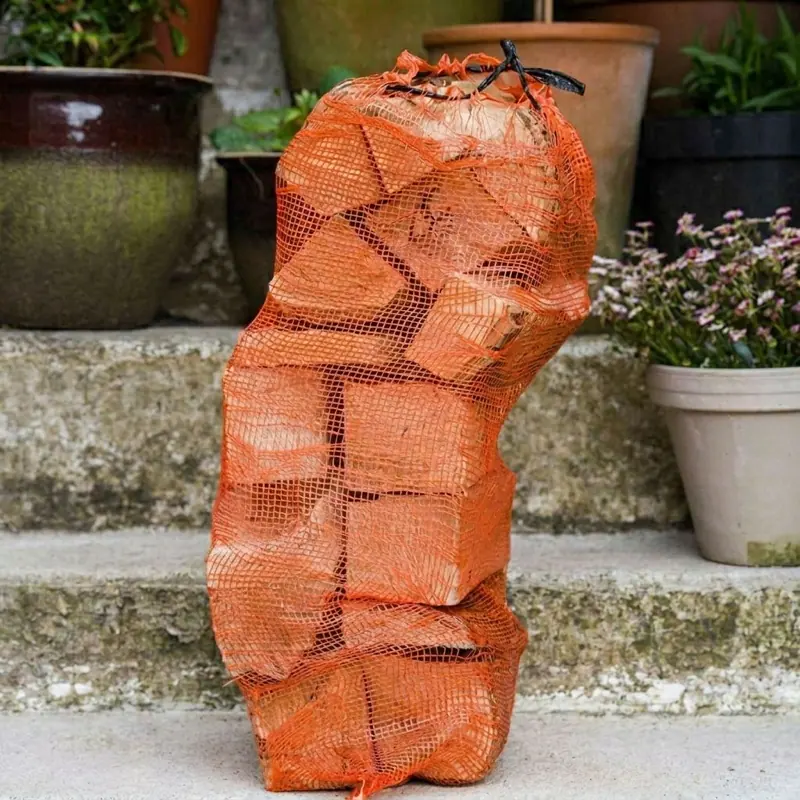
Ash for grilling, oak for long cooks and our extra small logs for pizza ovens. If you only cook outdoors now and then, a set of ash nets is easy to store and carry to the garden. Delivery is free with a minimum order of £80; see how delivery works.
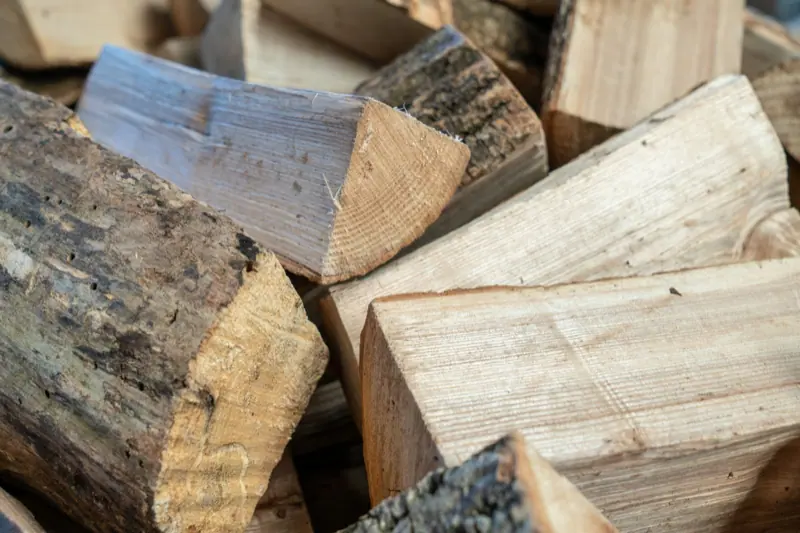
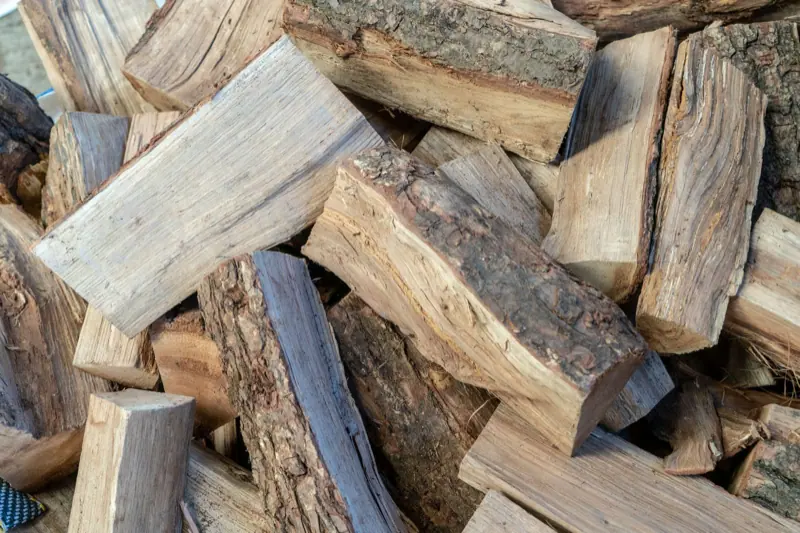
Extra Small Logs for Pizza Ovens
Small and dry, made for pizza ovens and fire pits.
Sources.
- Wood as Fuel: a guide to choosing and drying logs (Forest Research)Checked 19 October 2026
- Selling wood for domestic use in England (GOV.UK)Checked 19 October 2026
- BBQ food safety (Food Standards Agency, GOV.UK)Checked 19 October 2026
- Fire service shares summer safety advice as temperatures rise (North Yorkshire Fire and Rescue Service, June 2026)Checked 19 October 2026
- Smoke control areas: the rules (GOV.UK)Checked 19 October 2026
- Smoke control areas (North Yorkshire Council)Checked 19 October 2026
- Nuisance smoke: how councils deal with complaints (GOV.UK)Checked 19 October 2026
- Open fires and wood-burning stoves: a practical guide (Defra, April 2022)Checked 19 October 2026