
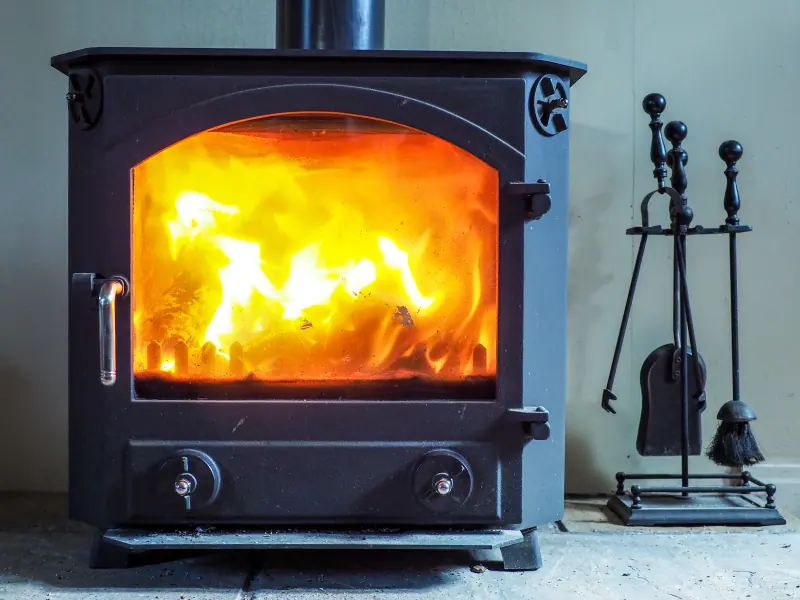
The cleanest way to light most wood burners is from the top down. Lay two small logs on the fire bed, build a criss-cross of kindling on top with firelighters tucked in, set the air controls to the lighting position, light it and close the door. Leave it alone until the stove is warm, then turn the air down and add logs. Your stove's manual has the final say, so check it first.
Before you strike a match.
- Read the manual. HETAS says lighting methods vary between manufacturers, so follow your stove's instructions. No instructions? Ask an installer or chimney sweep.
- Use dry fuel. Wood should be 20% moisture or less. Defra says wet wood is hard to light and keep alight, blackens the glass and makes a lot of smoke.
- Leave a little ash. HETAS says a small amount of ash can help a fire get going, but don't let it pile up. Your manual will say what your stove prefers.
- Warm a cold chimney. On a cold night, a plug of cold air can sit in the flue and push smoke back out of the stove. HETAS suggests leaving the stove door open for at least 30 minutes before lighting, then lighting top-down with a firelighter to warm the flue gently.
What you need.
Kindling, two firelighters, two small dry logs and stove gloves. Silver birch is handy for those first logs because it lights easily. HETAS rates firelighters as easier than newspaper because they burn at a steady rate.
The top-down method, step by step.
This is HETAS's upside-down, or top-down, method. It gets the flue up to temperature more quickly and means you don't have to open the door to add fuel while the fire is getting established.
- Lay two small logs across the fire bed.
- Lay five pieces of kindling across the logs, then four on top at right angles, and put two firelighters in the gaps.
- Add another five pieces of kindling, running the same way as the bottom layer.
- Set the stove's controls to the lighting position.
- Light the firelighters and close the door.
- Set the air controls to the manufacturer's settings and leave the kindling alone.
- When the top of the stove is warm, close the primary air control. The kindling falls between the logs, and once those are burning well you can adjust the burn rate and add more logs as you need them.
Prefer the traditional way? HETAS describes that too: firelighters or loosely crumpled newspaper at the bottom, with small dry kindling in a triangle over them and gaps for air.
Keeping it going.
- Refuel on glowing embers. HETAS's refuelling tips: top up when the fire is down to glowing embers, open the door a little and pause so the air pressure can settle, then open it slowly.
- A few logs, not a full load. Overloading smothers the fire. Leave space for air, and don't let logs touch the sides or the glass.
- Burn new logs hot first. Let fresh logs burn on high before you turn the stove down. The Forestry Commission's Wood as Fuel guide says newly added wood set to burn slowly creates smoke and tarry deposits in the chimney.
- Don't shut the air off. HETAS warns that closing the air controls fully starves the fire. You want a steady flame, not a smoulder, and not a roaring furnace either: burning too hot can warp the stove.
- Keep the door closed. A stove works best with the door shut, except when you're adding fuel.
- Don't slumber it overnight. Turning the stove right down to keep it in all night increases emissions and can damage the stove and chimney, says HETAS, unless the manufacturer says yours is designed for it.
Smoke coming into the room when you refuel isn't normal. HETAS says to ask your installer or chimney sweep for advice.
For the ash, let it cool fully with the stove door closed, then move it to a metal bucket with a lid and take it straight outside. HETAS says hot and cooling ash can be a fire and carbon monoxide hazard, so don't leave a bucket of it standing indoors.
Carbon monoxide: fit an alarm and test it.
Carbon monoxide has no colour, smell or taste. HETAS advises fitting an audible alarm that meets BS EN 50291, positioned as Building Regulations Approved Document J describes, and testing it regularly. Its carbon monoxide leaflet says new or replacement solid fuel installations should have a permanently fixed alarm fitted by the installer, and that alarms should be replaced before their expiry date. An alarm is no substitute for servicing and sweeping.
If you rent your home out: since 1 October 2022, landlords in England must make sure there's a carbon monoxide alarm in any room used as living accommodation that has a fixed combustion appliance, other than a gas cooker (GOV.UK). GOV.UK's general guidance is to place the alarm at head height, on a wall or shelf, about 1 to 3 metres from the appliance.
HETAS lists headaches, breathlessness, nausea and dizziness among the symptoms. If the alarm sounds or you suspect fumes, HETAS says: close the appliance vents, open doors and windows, leave the building, and call 111 if you feel unwell or 999 in an emergency. Don't use the stove again until it has been checked and you've been told it's safe.
Chimney sweeping and servicing.
Soot and tar build up in a chimney, cutting efficiency and raising the risk of a chimney fire. The official and industry advice on how often to sweep varies:
- The National Association of Chimney Sweeps suggests quarterly while in use for wood and at least once a year for smokeless fuel, as a guide only. HETAS gives the same guide in its advice on stove ash.
- The Stove Industry Association recommends at least once a year by a qualified sweep.
- Defra's Burn Better advice is at least once a year, plus a stove service once a year.
The right answer depends on your stove, your chimney, what you burn and how much, and your sweep will tell you what yours needs. Just moved house? The National Association of Chimney Sweeps says get the chimney swept, as you can't know when it was last done properly.
A note on open fires.
The Forestry Commission says a coal grate isn't suited to wood (cover it with a metal base plate) and that every open fire needs a fine mesh spark guard.
Questions people ask.
Why does my stove glass go black?
Usually damp wood or too little air. Defra and the Forestry Commission both say wet logs blacken the glass, and HETAS warns that starving the fire of air spoils the burn. Burn logs at 20% moisture or less and give the fire enough air to keep a steady flame.
Should I leave the stove door open to get it going?
HETAS's top-down method closes the door as soon as the firelighters are lit, and HETAS warns against burning with the door open. If your stove's manual says something different, follow the manual.
Can I keep my wood burner in overnight?
HETAS advises against slumbering a stove overnight unless the manufacturer says it's designed for it, and Defra says the same. Let the fire burn down instead.
What's the easiest wood to light?
Of our logs, silver birch lights easily and burns bright, and the bark helps it catch. Start with dry kindling and birch, then add ash, oak or mixed hardwoods once the fire is going. Our guide to ash, oak, birch and mixed logs has more.
What we'd suggest.
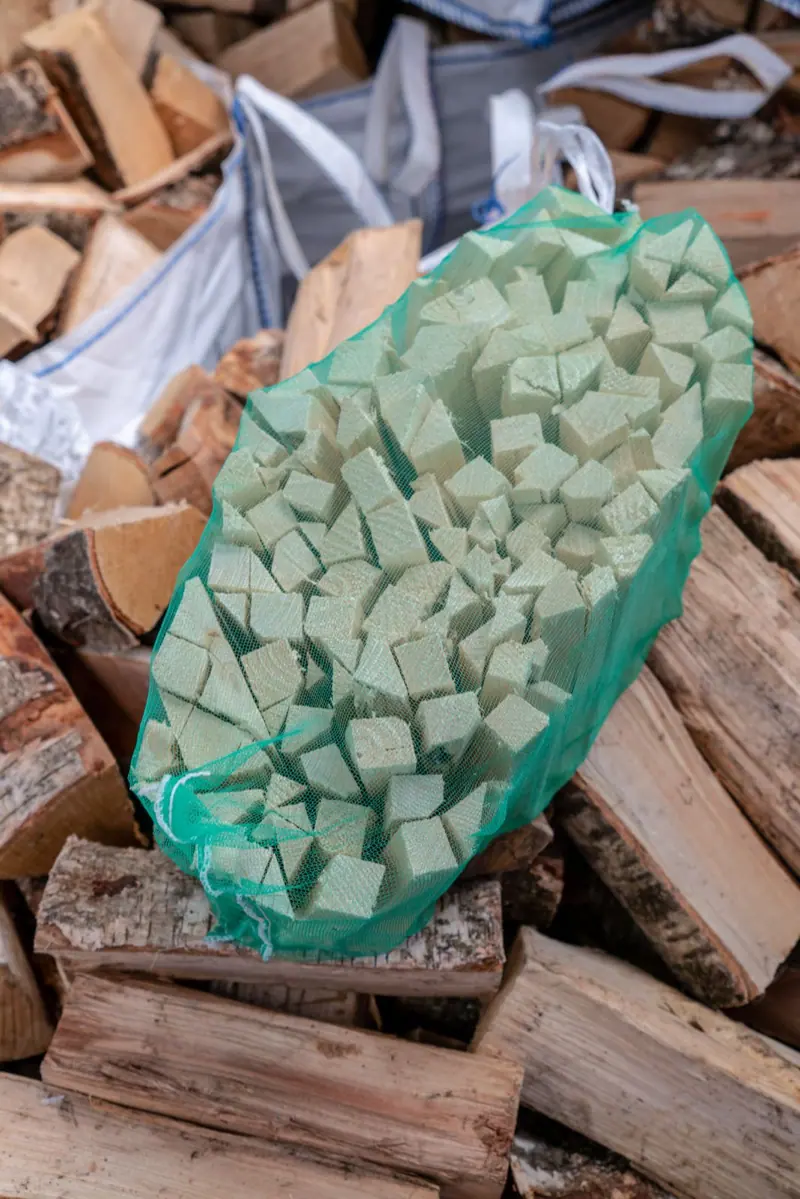
Dry kindling, firelighters and a bag of silver birch make lighting easy, and mixed hardwoods keep it going. Our kindling is certified Ready to Burn (WS226/00002). Woodcycle says its natural firelighters are made in the UK from recycled waste wood, recycled candle wax and plastic-free paper, and burn for around eight minutes. If a fire still sulks, check your logs with our guide on how to tell if logs are dry. In a smoke control area, see what you can burn there. Delivery is free on orders of £80 or more, Monday to Friday: see how delivery works.
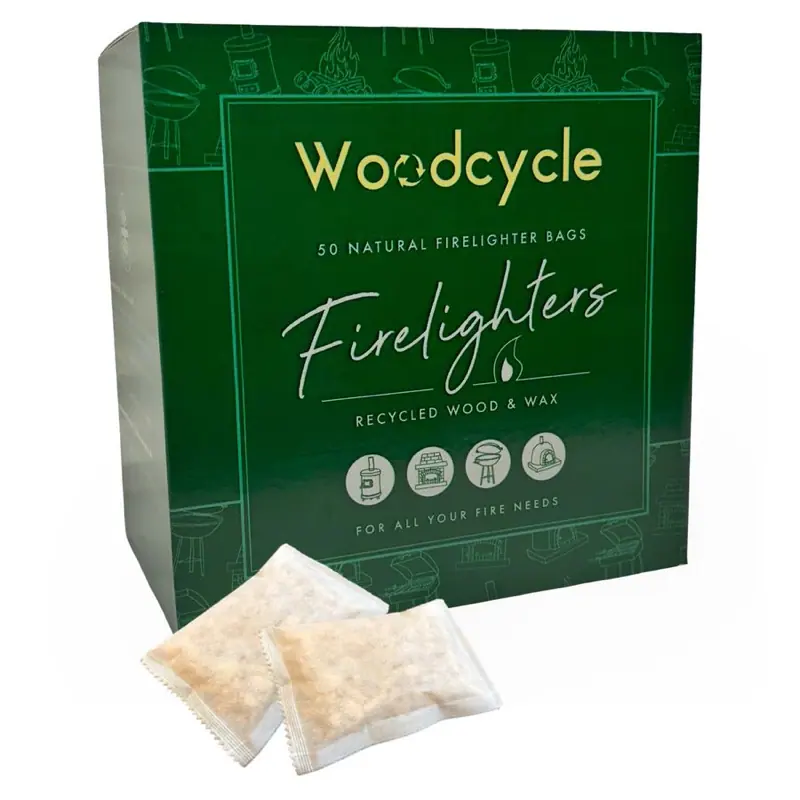
Woodcycle Natural Firelighters (50)
Natural, no smell
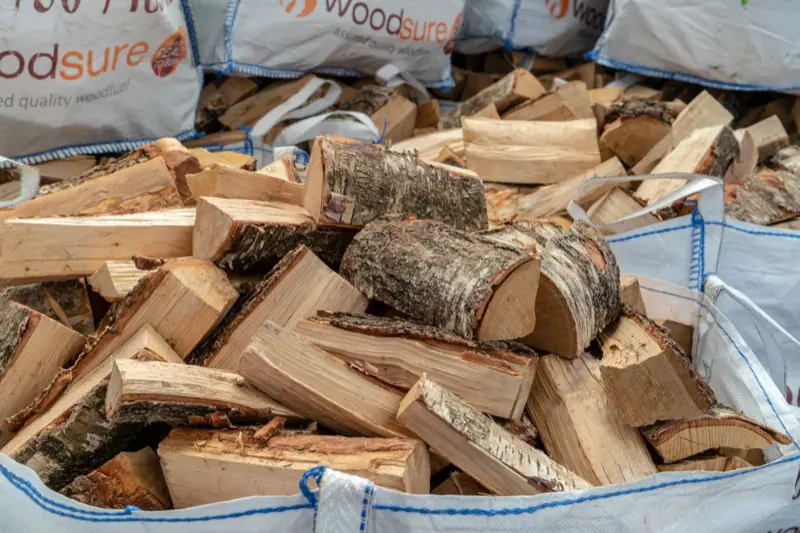
Kiln Dried Silver Birch
Lights easily, burns bright. Lovely bark.
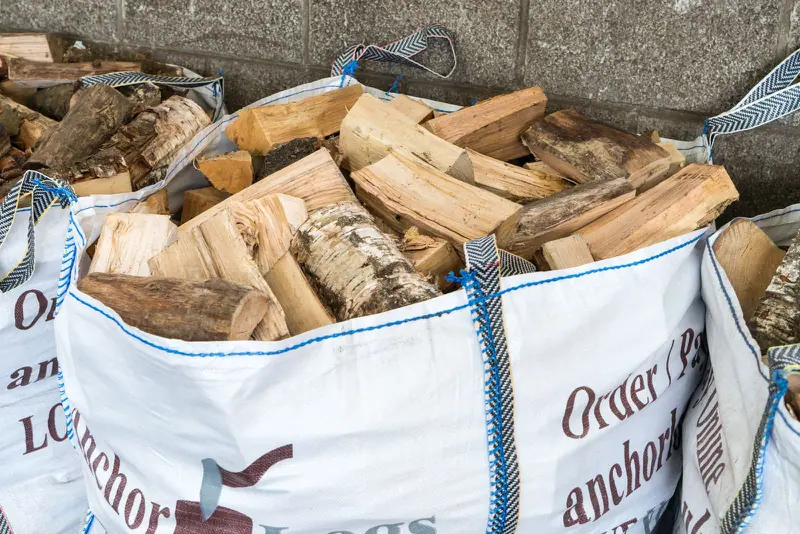
Kiln Dried Mixed Hardwoods
Our best seller. A good all-rounder for any stove.
Sources.
- HETAS: How to light a fireChecked 19 October 2026
- HETAS: Cold plug, winter safety adviceChecked 19 October 2026
- HETAS: Refuel your appliance safelyChecked 19 October 2026
- HETAS: 11 bad habits to avoid as a stove ownerChecked 19 October 2026
- HETAS: Carbon monoxideChecked 19 October 2026
- HETAS: Be carbon monoxide safe (leaflet)Checked 19 October 2026
- HETAS: Safe disposal of ash from your stoveChecked 19 October 2026
- GOV.UK: Smoke and Carbon Monoxide Alarm (Amendment) Regulations 2022, guidance for landlords and tenantsChecked 19 October 2026
- National Association of Chimney Sweeps: Chimney safety adviceChecked 19 October 2026
- Stove Industry Association: Frequently asked questionsChecked 19 October 2026
- Defra: Burn Better, Breathe BetterChecked 19 October 2026
- Defra: How to get the most from your stove or open fire. A guide to buying, storing and seasoning woodChecked 19 October 2026
- Forestry Commission: Wood as Fuel, a guide to choosing and drying logsChecked 19 October 2026