
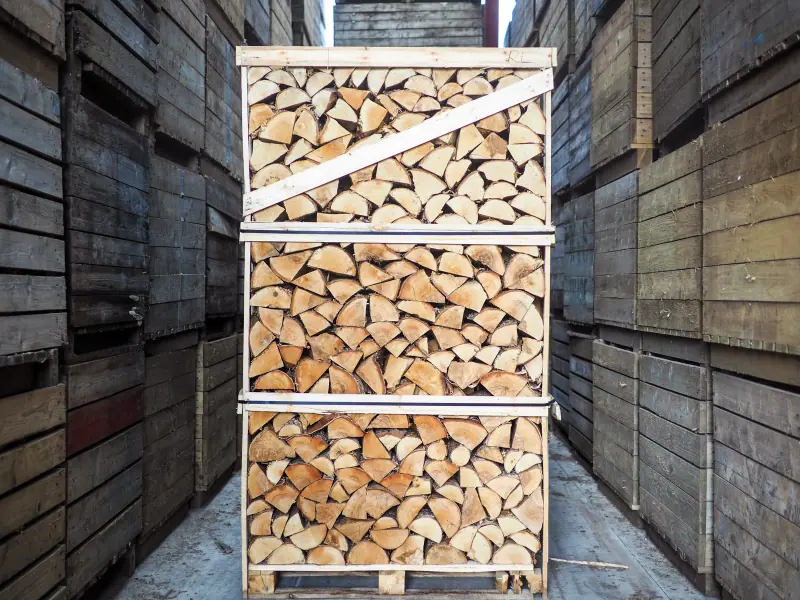
Kiln-dried and seasoned logs are both trying to get to the same place: wood dry enough to burn well, which means 20% moisture or less. The difference is how they get there. Kiln-dried logs are dried with heat in a kiln, in days rather than years. Seasoned logs are left to dry in the open air, and there is no set standard for what "seasoned" means. So the word on the bag matters less than the moisture inside the log.
What kiln-dried means.
Defra's guide to buying, storing and seasoning wood says kiln drying can turn unseasoned wood into ready to burn wood in a matter of days. Kiln-dried wood should have a moisture content of 20% or less, and if it has been stored and packed properly it is ready to use on the day you buy it.
Ours are kiln dried at our own yard in Gargrave, near Skipton, to 20% moisture or less. They're certified under Woodsure's Ready to Burn scheme (certificate WS226/00001), so they can go straight on the fire. There's more on what that means on our Ready to Burn page.
What seasoned means.
Seasoning is the traditional way: split the wood, stack it under cover and let the sun and wind do the work. The same Defra guide says there is no set standard or method for "seasoned" firewood. The word can be used for any wood that has been stored for a while so it dries naturally.
How long that takes depends on the species, the weather and how the wood is stacked. Defra says firewood air dried under cover for at least 12 months (or two summers) can get down to around 20%. The GOV.UK notice that sellers of large loads must give customers goes further: dry it in a sunny, well-aired space for at least two years, keeping the rain off in winter. Freshly felled wood, HETAS says, is often as wet as 50%.
Part-seasoned wood, dried for just a few months, is much drier than fresh wood but still needs more time. And anyone who has lived through a Dales summer knows "two summers" can be optimistic.
The number that matters: 20%.
Every official source we've read lands on the same figure. Water in a log has to boil off before the wood burns, and that costs you heat. GOV.UK's notice says wet wood creates smoke and harmful particulates, can damage your stove and chimney, and is an inefficient way to heat your home. The Forestry Commission's Wood as Fuel guide says well-seasoned logs can have about twice the heat value of green ones.
When the rules on wet wood came in, the government said burning dry wood produces more heat and less soot than wet wood and can reduce emissions by up to 50% (GOV.UK).
What the rules say about selling logs.
Since 1 May 2021, wood sold in England in volumes under 2 cubic metres must be certified Ready to Burn, which confirms a moisture content of 20% or less (GOV.UK). That covers bagged logs and loose bulk deliveries under 2 cubic metres, whether the wood was dried in a kiln or a woodshed. Our bulk bags are 0.85m each way, well under that.
Loads of 2 cubic metres or more don't need certifying. Instead, the seller must give you a notice explaining how to dry, store and check the wood before you burn it. So with a big trailer load, it's worth asking how dry the wood is, or checking it yourself.
That's a general summary, not legal advice. Councils enforce these rules, so check with yours if you're unsure.
Kiln-dried and seasoned side by side.
| Question | Kiln-dried | Seasoned |
|---|---|---|
| How is it dried? | With heat, in a kiln | Naturally, by air, sun and wind |
| How long does it take? | Days | At least 12 months, often two years or more |
| Is there a standard? | Should be 20% moisture or less | No set standard |
| Ready to burn when it arrives? | Yes, if certified and kept dry | Only if it has been dried to 20% or less |
| What to look for | Ready to Burn logo and certificate number | Ready to Burn logo, or test it yourself |
Which should you buy?
If you want to burn the logs this week, buy wood with the Ready to Burn logo, the supplier's name and a certificate number. GOV.UK says all three must be on the packaging, on the shelf or next to the price, and online sellers must show the logo where the fuel is advertised. The label tells you the wood is at 20% or less, however it was dried.
If you have your own supply of wood, a good spot to stack it and a couple of years' patience, seasoning works. Split it, stack it off the ground with a roof and open sides, and check it with a moisture meter before it goes near the stove. Our guide on how to tell if logs are dry walks through the checks.
Kiln-dried logs win on convenience: no waiting, no guessing and no drying stack taking over the garden. That's why every log we sell is kiln dried.
Keep them dry once they're home.
However they were dried, logs will take on water again if you leave them in the rain. HETAS points out that rain, sleet and snow undo earlier drying, and Defra's advice is to keep any wood fuel you buy under cover and in the dry until you burn it. A log store with a roof and open sides is ideal. Our guide on how to store logs has the details.
Questions people ask.
Are kiln-dried logs better than seasoned logs?
Not automatically. What counts is moisture: 20% or less. Kiln drying gets wood there quickly and reliably, and well-seasoned wood can get there too, given time and good storage. Look for the Ready to Burn logo, or check seasoned wood with a moisture meter.
How long does it take to season logs?
Longer than most people expect. Defra says at least 12 months under cover (or two summers) can get firewood to around 20%, depending on species, climate and storage. GOV.UK's advice for wet wood is at least two years in a sunny, well-aired space. Test it before you burn it.
Can kiln-dried logs get wet again?
Yes. Rain, sleet and snow will push the moisture back up. Store them under a roof, off the ground and with air moving around them, and they'll stay dry.
What does Ready to Burn mean?
It's the certification scheme run by Woodsure, the Defra-appointed certification body. Certified wood has a moisture content of 20% or less. Our logs are certificate WS226/00001 and our kindling WS226/00002.
Is it legal to sell unseasoned logs?
In England, wood sold in volumes under 2 cubic metres must be certified Ready to Burn. Larger loads can be sold without certification, but must come with a notice on how to dry, store and check the wood (GOV.UK). If you're unsure how the rules apply, check with your council.
What we'd suggest.
If you want logs you can burn the day they arrive, any of our bulk bags will do it. Mixed hardwoods are a good all-rounder for any stove, and if you'd like to choose a wood, our guide to ash, oak, birch and mixed logs explains the differences. Add a log store if you haven't got somewhere dry to keep them. Delivery is free on orders of £80 or more, Monday to Friday, and we text or call you when your day is booked. See how delivery works.
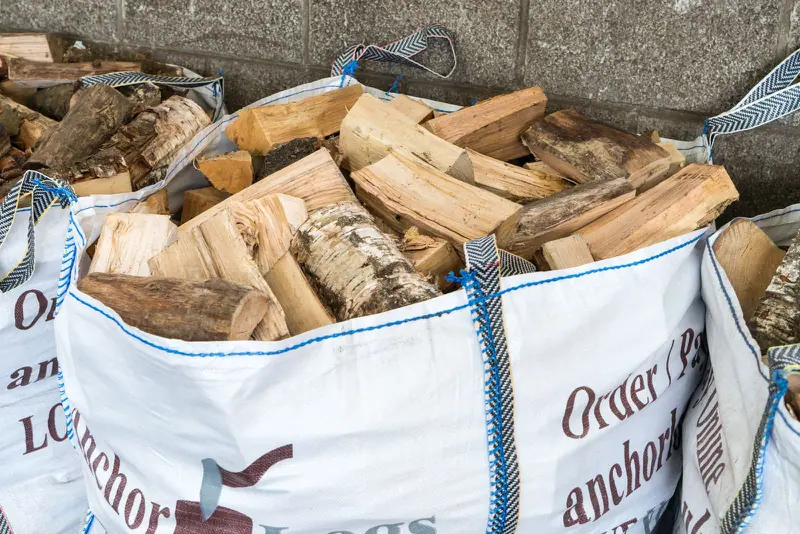
Kiln Dried Mixed Hardwoods
Our best seller. A good all-rounder for any stove.
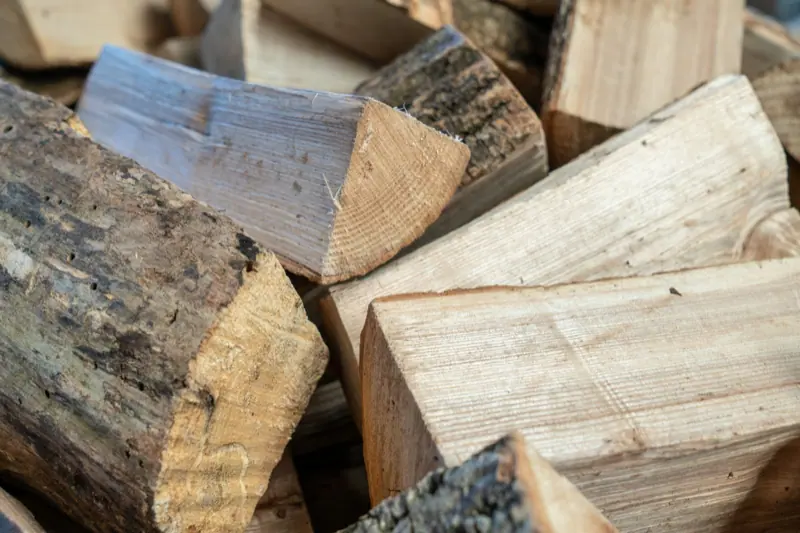
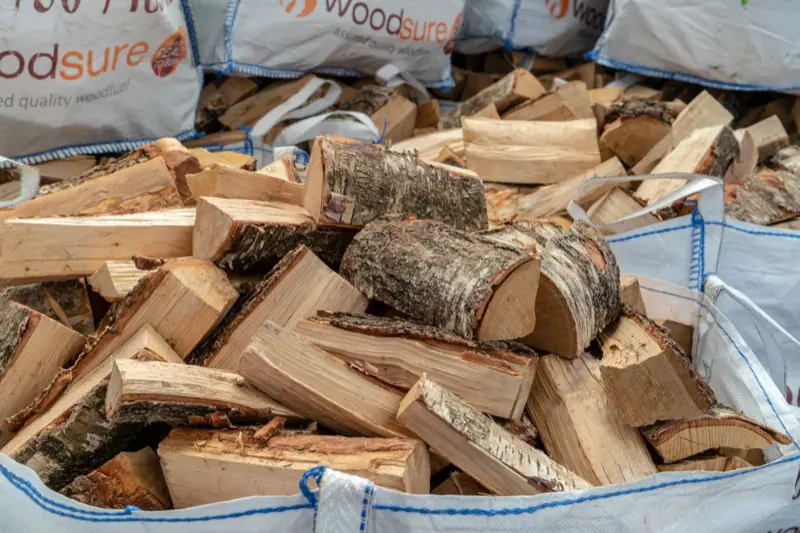
Kiln Dried Silver Birch
Lights easily, burns bright. Lovely bark.
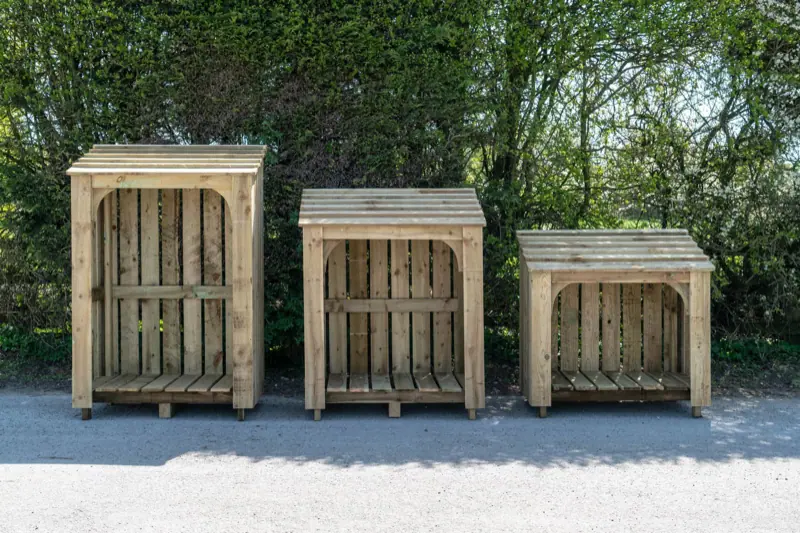
Log stores
Our own design, built by local joiners and delivered assembled. Three heights.
From £209Choose a size
Sources.
- Defra: How to get the most from your stove or open fire. A guide to buying, storing and seasoning woodChecked 19 October 2026
- GOV.UK: Customer notice for wood sold in volumes of 2 cubic metres or more in EnglandChecked 19 October 2026
- GOV.UK: Selling wood for domestic use in EnglandChecked 19 October 2026
- GOV.UK: Restrictions on sale of coal and wet wood for home burning begin (1 May 2021)Checked 19 October 2026
- Forestry Commission: Wood as Fuel, a guide to choosing and drying logsChecked 19 October 2026
- HETAS: How to season firewoodChecked 19 October 2026
- HETAS: Log storageChecked 19 October 2026