
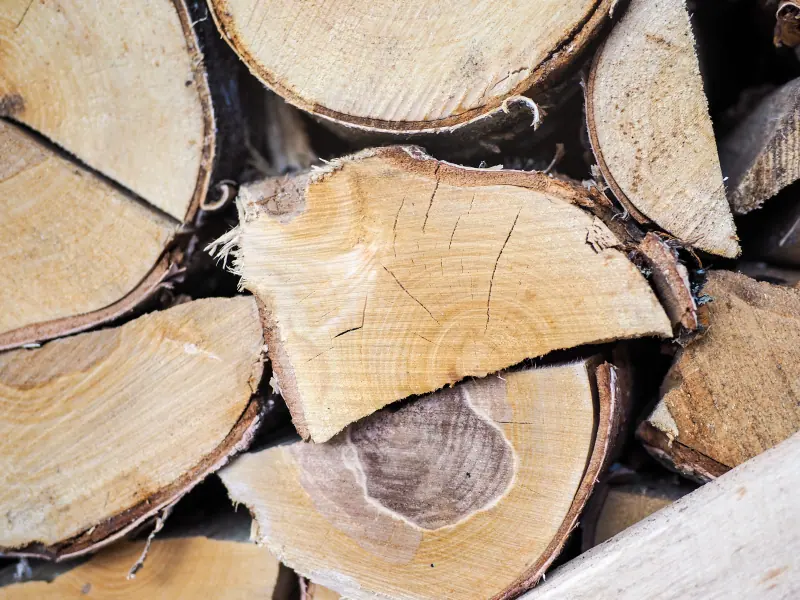
For a wood burner or open fire, dry hardwood. Hardwoods are denser, so each log burns longer, you top up less often and a bag holds more heat. Dry softwood isn't bad fuel: weight for weight it holds about the same energy, and it lights easily, which makes it good for kindling. It just burns faster. Whichever you choose, dryness matters more than species: look for 20% moisture or less.
What's the difference?
It's about the tree, not how hard the wood feels. Forest Research describes hardwoods as broadleaved, deciduous trees and softwoods as evergreen conifers. So oak, ash, beech, sycamore and birch are hardwoods, while pine, spruce and fir are softwoods. The names can mislead: balsa is technically a hardwood and yew a softwood.
Heat: why the bag matters more than the scales.
Here's the surprise. Dried to the same moisture, different species give off very similar heat per kilo (Forest Research). The difference is density. Woodsure says oak or ash can weigh almost twice as much as pine or spruce for the same space, and Forest Research says that if you buy by volume, a cubic metre of hardwood gives you more heat than a cubic metre of softwood.
Logs are sold by volume, so that's what counts. Ours come in a bulk bag 0.85m each way: fill it with dense hardwood and you're carrying a lot more fire home than the same bag of softwood.
Burn time and top-ups.
Dense woods burn for longer, so you need fewer top-ups to keep a stove going (Forest Research). Defra puts it the other way round: softwoods are less dense, so they burn faster and give less heat than a similar-sized hardwood log. If you like to load the stove and settle in for the evening, hardwood is the easier life.
Lighting.
This is where softwood shines. Defra and Forest Research both say softwoods light more easily, and Defra calls them good for kindling. Among the hardwoods, silver birch is the quick starter: it lights easily, burns bright, and its bark helps it catch. A good routine is kindling or birch to get going, then ash or oak once the fire is established.
Tar, soot and your chimney.
Softwoods do tend to contain more resin (Forest Research). But when the official guidance talks about tar, the main culprits are wet wood and smouldering fires. Forest Research says logs that aren't dry smoulder and create lots of tar and smoke, which can damage the flue lining and raise the risk of a chimney fire, and that newly added wood left to burn slowly makes tarry deposits too. Defra says wet wood lets more tar and soot build up in the chimney.
So burn dry wood, let fresh logs catch properly before you turn the air down, and follow your stove maker's instructions. HETAS recommends having your chimney swept at least twice a year when burning wood.
What about price?
Forest Research notes that softwoods are often cheaper and easier to source. That's worth weighing against the heat in each bag and how often you'll be refuelling. Compare what you get for your money, not just the price on the bag.
Moisture beats species.
Freshly felled, trees hold very different amounts of water. Forest Research's figures put green ash at around 32% moisture, birch at 43%, oak at 47% and Norway spruce at 65%, and most of the difference in heat between fresh logs comes down to that water. Dry them all to the same level and the gap closes to density alone. That's why the first question is always "is it dry?", and the Ready to Burn mark answers it: it certifies wood at 20% moisture or less (GOV.UK), and it covers hardwood, softwood or a mix (Ready to Burn). So check the label for the species as well. Ours are kiln dried to 20% moisture or less; our kiln-dried vs seasoned guide explains how that compares with air drying.
Side by side.
| At a glance | Hardwood | Softwood |
|---|---|---|
| Trees | Broadleaved: oak, ash, beech, birch | Conifers: pine, spruce, fir |
| Heat per kilo, when dry | About the same | About the same |
| Heat per bag | More, because it's denser | Less |
| Lighting | Slower, except birch | Quick |
| Burn | Longer and steadier | Faster |
| Best for | The main fuel for stoves and open fires | Kindling and quick fires |
Can you burn softwood in a wood burner?
Yes, if it's dry and your stove's instructions allow it. HETAS advises choosing a fuel that matches your appliance's instructions and warranty. And in a smoke control area, the species makes no difference: wood of any kind can only be burnt on a Defra exempt appliance (GOV.UK). Check with your council if you're unsure.
Our logs.
All our logs are hardwoods, kiln dried at our yard in Gargrave to 20% moisture or less: Mixed Hardwoods (two or more per bag from beech, sycamore, ash, oak, alder and silver birch, depending on what we're processing at the time), Silver Birch, Ash and Oak. To choose between them, see ash, oak, birch or mixed, or our firewood buying guide for everything else to check before you order.
Questions people ask.
Is birch a hardwood?
Yes. Silver birch is a broadleaved tree, and Defra lists birch among the hardwoods alongside oak and ash. It also lights easily, which makes it a handy starter.
Does softwood cause chimney fires?
The official guidance points mainly at wet wood and slow, smouldering fires as the cause of tar and soot build-up. Burn any wood dry, let it catch properly and have your chimney swept at least twice a year, as HETAS recommends.
Should I mix hardwood and softwood?
Using softwood kindling to light the fire and hardwood to keep it going works well. Mixing them through a load means some logs burn away faster than others, so you'll be adjusting the fire more.
Is kiln-dried softwood as good as hardwood?
Kilo for kilo it gives about the same heat, but it's lighter, so a bag holds less and it burns faster. For a long evening by the stove, hardwood goes further.
What we'd suggest.
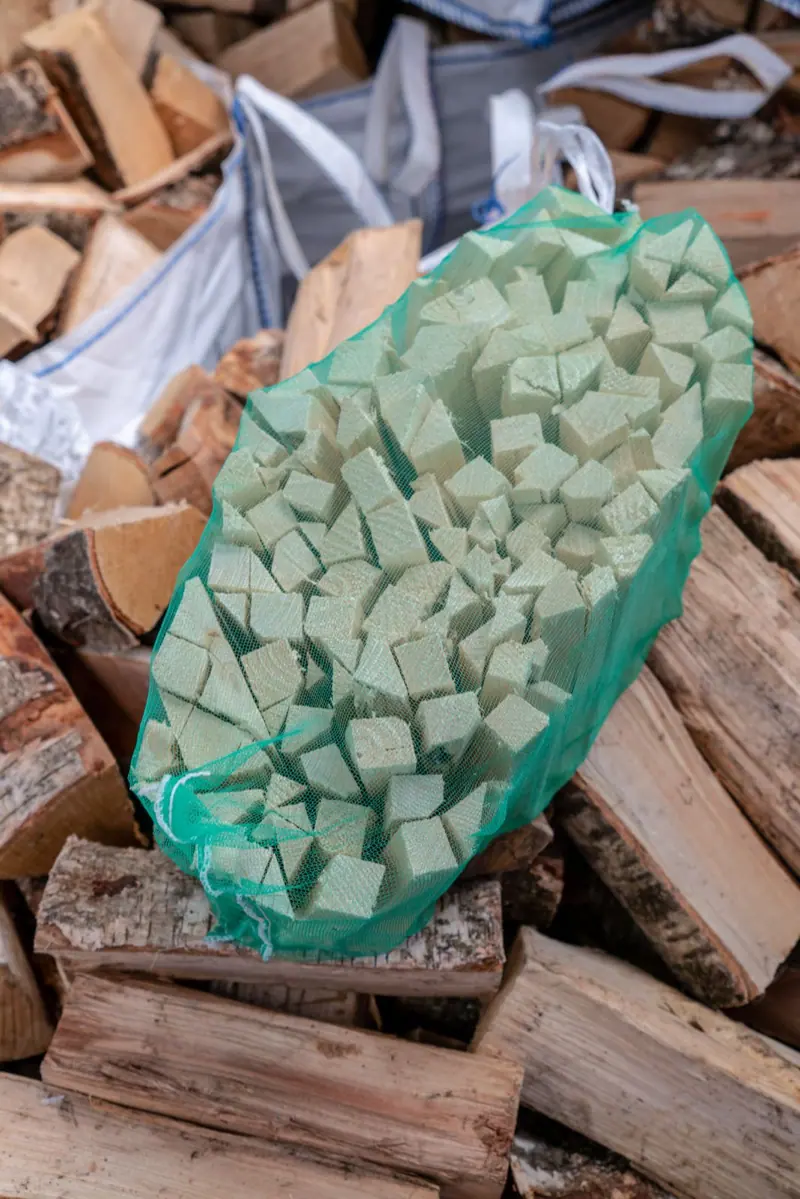
Mixed Hardwoods are a good all-rounder for any stove. Ash gives hot, steady heat, Oak is good for long evenings, and a bag of kindling does the lighting.
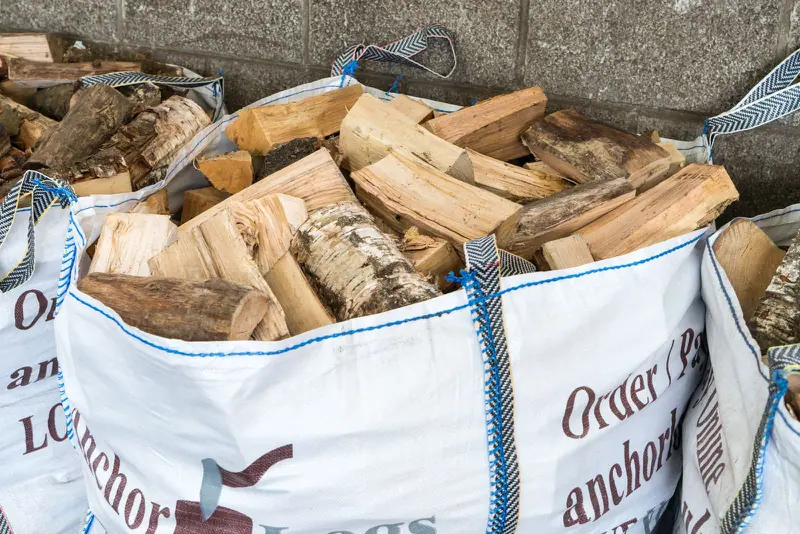
Kiln Dried Mixed Hardwoods
Our best seller. A good all-rounder for any stove.
Sources.
- Wood as Fuel: a guide to choosing and drying logs (Forest Research)Checked 19 October 2026
- Wood as Fuel technical supplement (Forest Research)Checked 19 October 2026
- How to get the most from your stove or open fire: buying, storing and seasoning wood (Defra)Checked 19 October 2026
- Loose firewood vs stacked firewood (Woodsure)Checked 19 October 2026
- Ready to Burn: consumersChecked 19 October 2026
- Selling wood for domestic use in England (GOV.UK)Checked 19 October 2026
- HETAS consumer leafletChecked 19 October 2026
- Smoke control areas: the rules (GOV.UK)Checked 19 October 2026